The Apple TV 4K (3rd Generation, 128GB Wi-Fi + Ethernet) meets
the Roku Streaming Stick 4K
The A15 Bionic chip turns every menu, app switch, and 4K stream into the fastest experience any streaming device delivers, though only Apple-ecosystem households fully justify the price.. We tested it head-to-head against the Roku Streaming Stick 4K across 6 key dimensions.
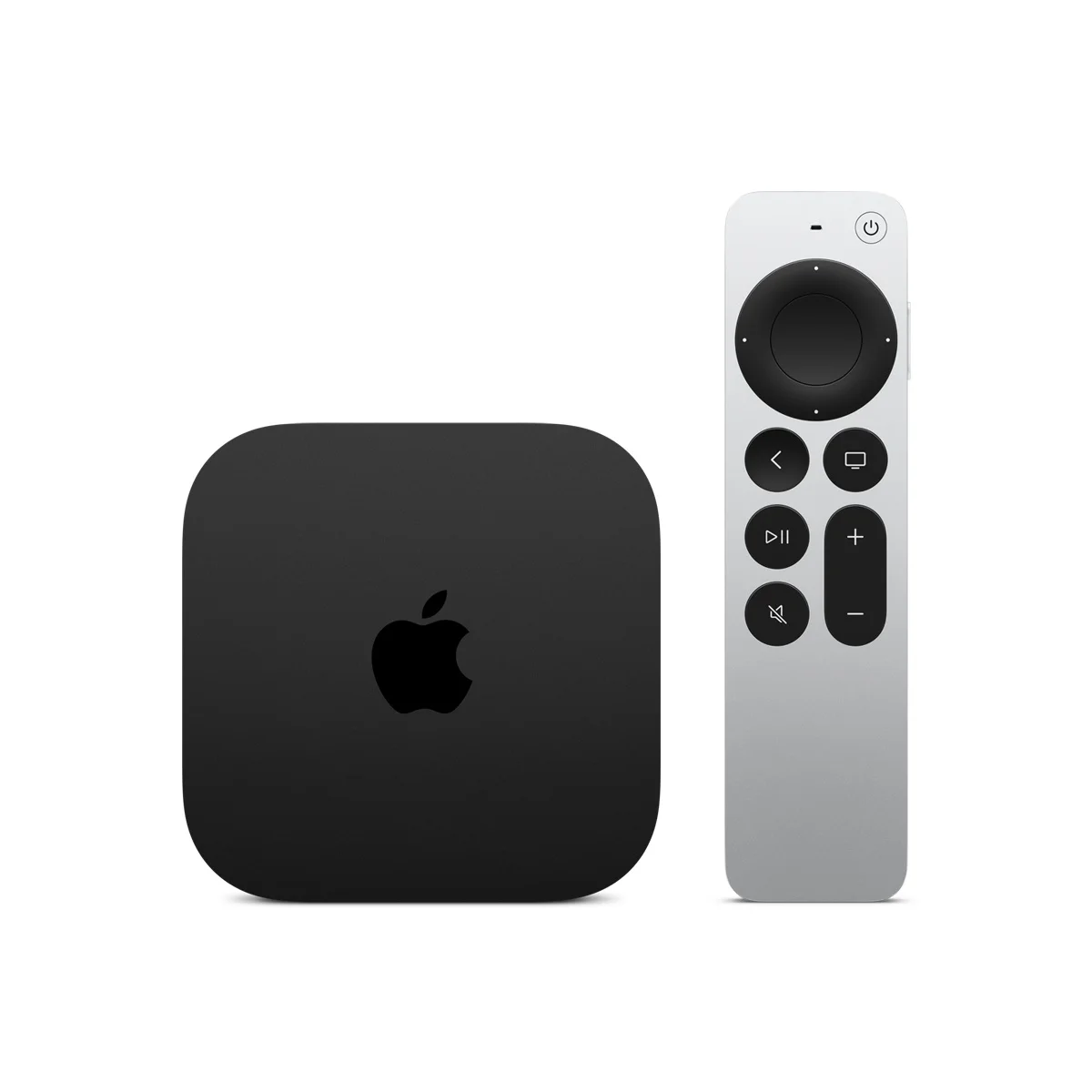
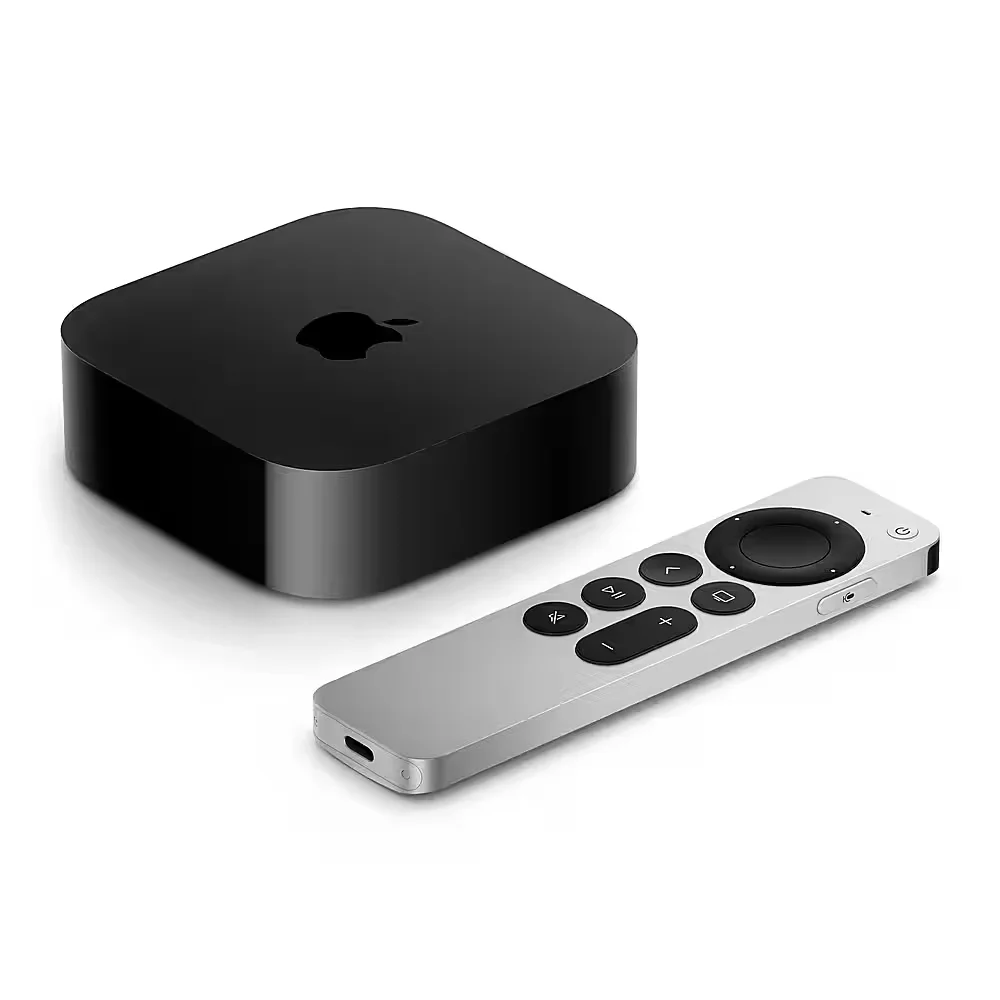
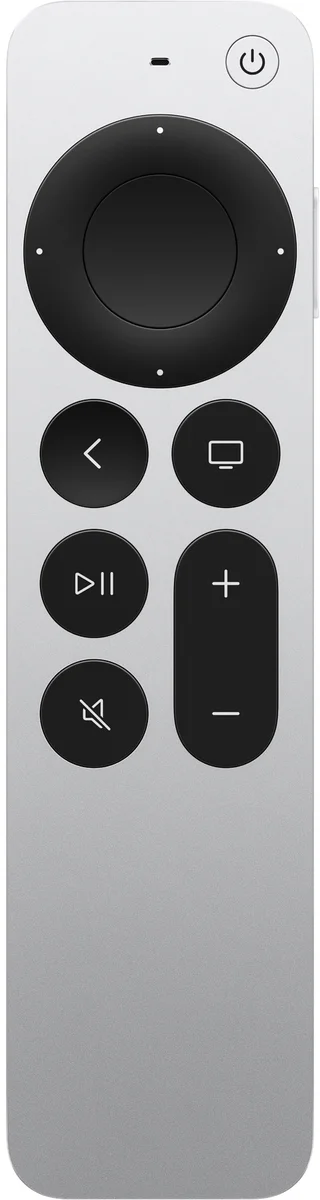
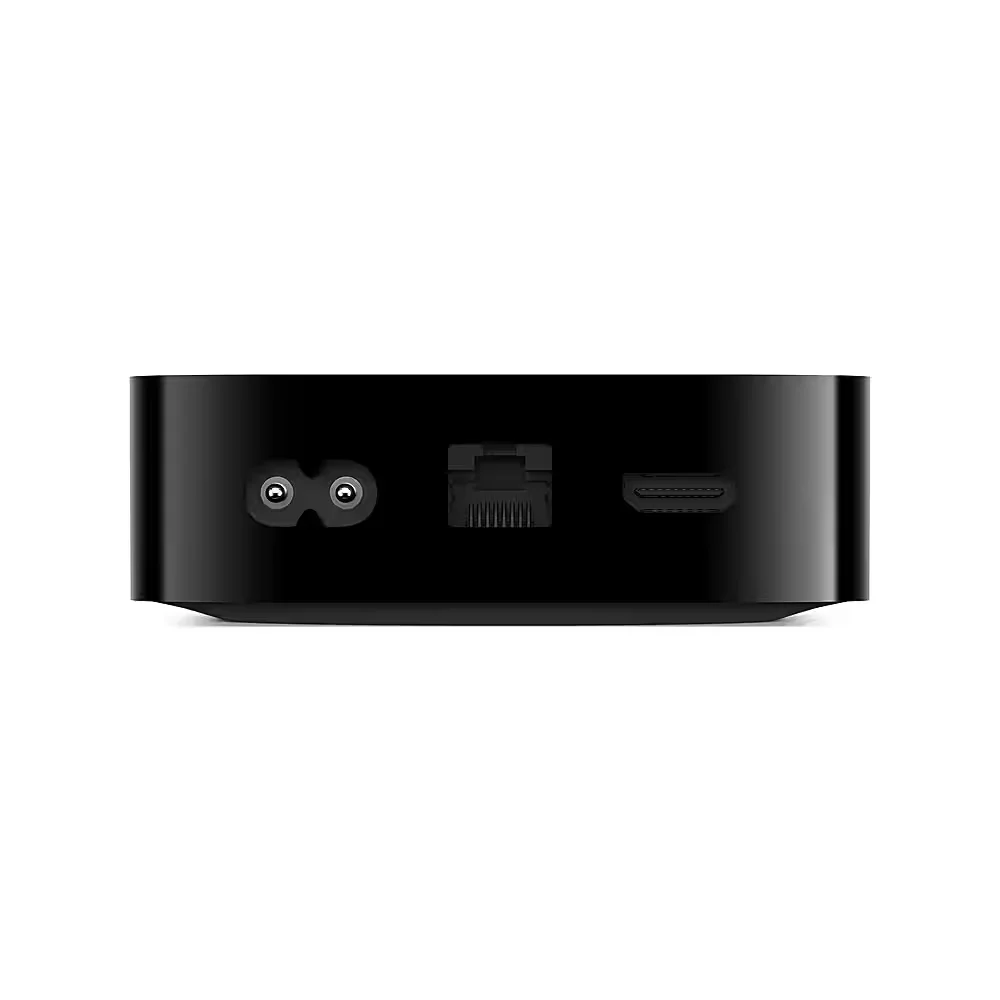
Apple TV 4K (3rd Generation, 128GB Wi-Fi + Ethernet)
“The A15 Bionic chip turns every menu, app switch, and 4K stream into the fastest experience any streaming device delivers, though only Apple-ecosystem households fully justify the price.”
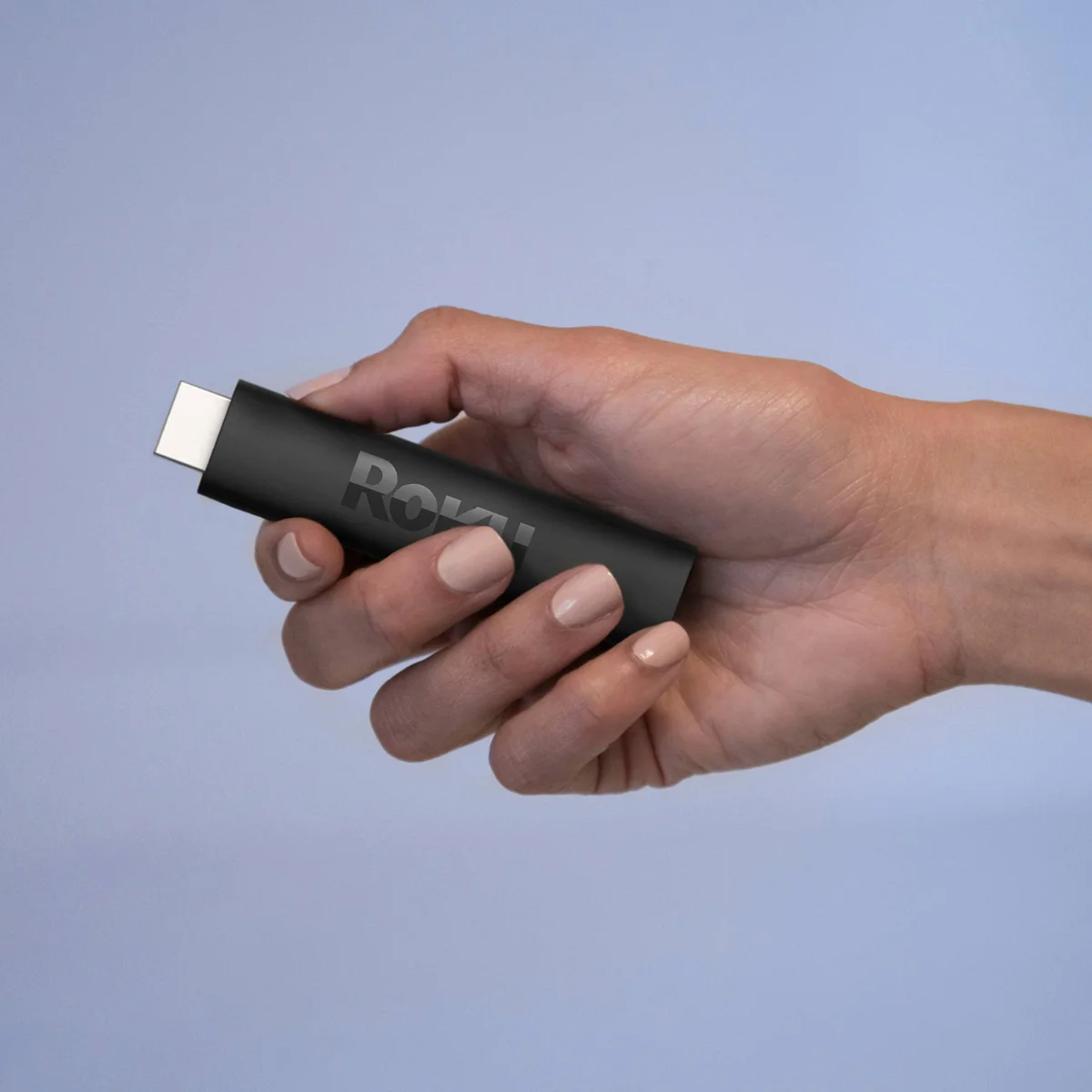
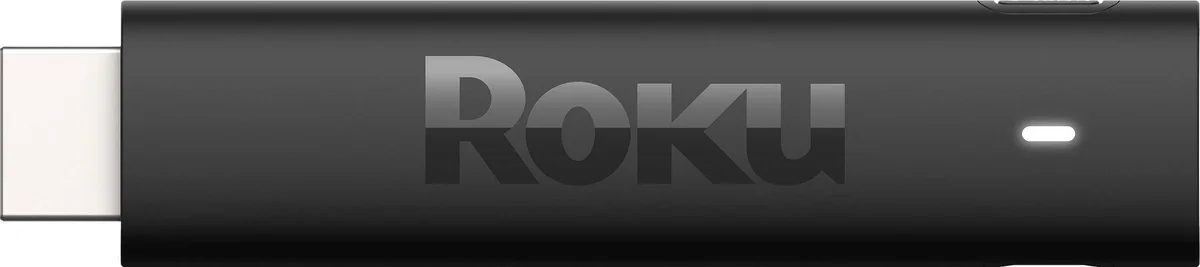
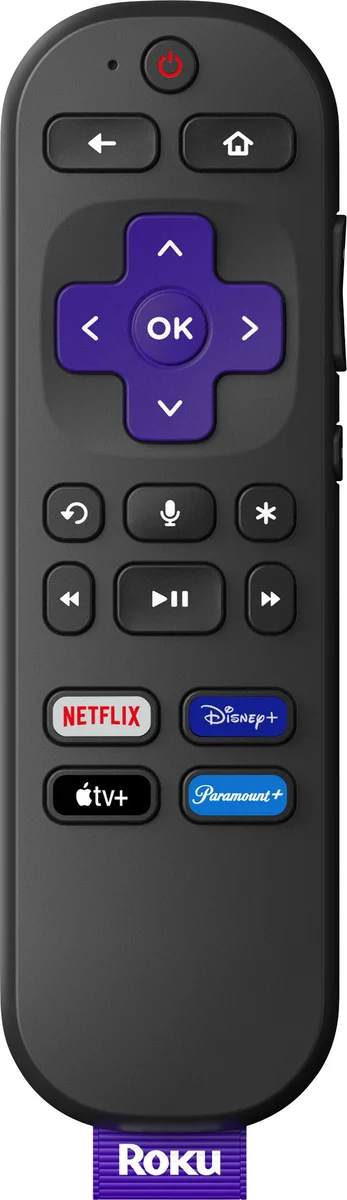
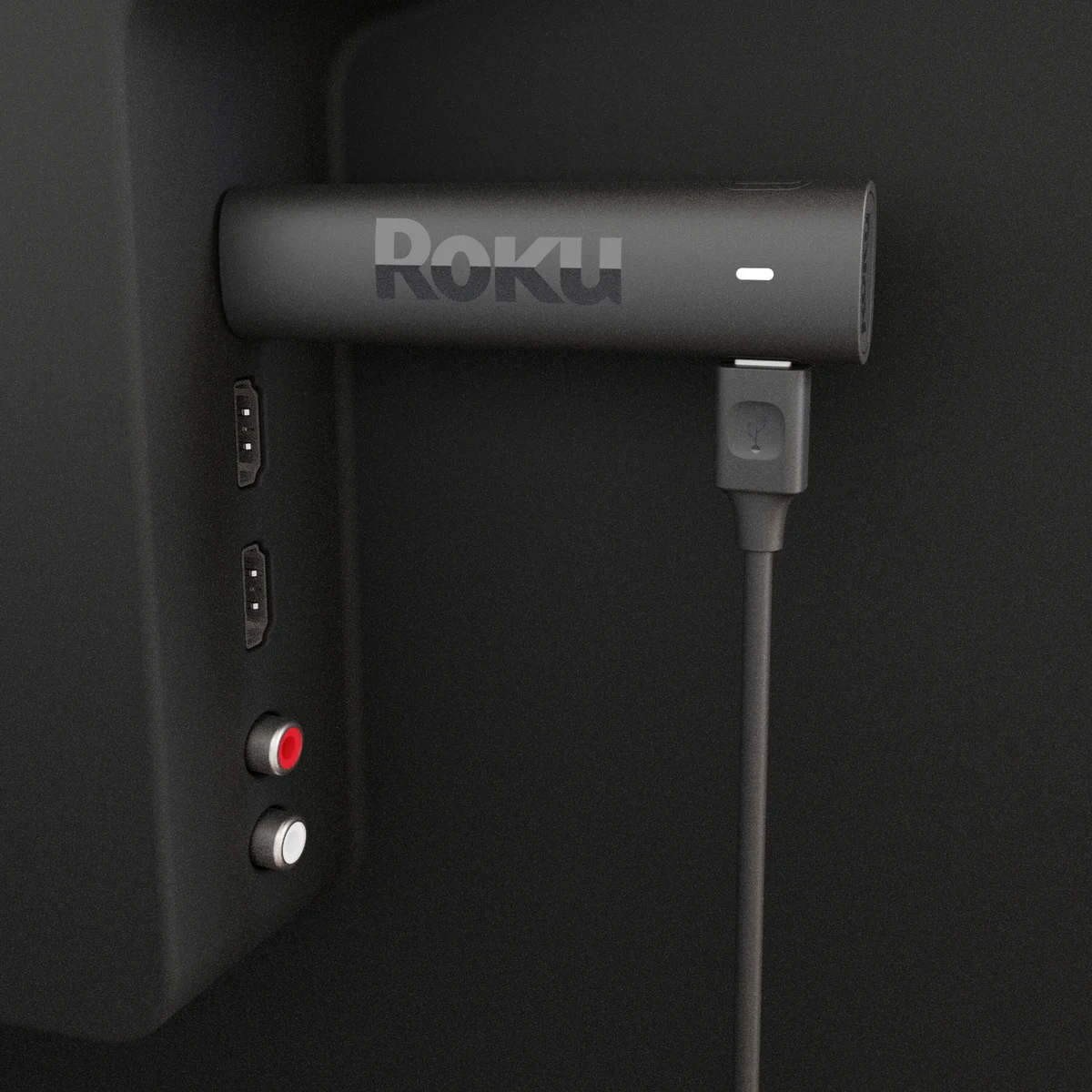
Roku Streaming Stick 4K
“The cleanest, most platform-neutral 4K interface in streaming, with Dolby Vision and HDR10+ at a third the price of the Apple TV 4K.”
Head-to-Head Breakdown
Strengths & Weaknesses
Apple TV 4K (3rd Generation, 128GB Wi-Fi + Ethernet)
- A15 Bionic chip delivers the fastest app launches in the category (Tom's Guide, Tammy Rogers)
- What Hi-Fi? perfect 5/5 score for 'excellent picture with expressive sound'
- Zero home-screen ads, which Rolling Stone called 'a standout among competitors'
- Most expensive mainstream streamer at $149 for the Ethernet model (Rolling Stone)
- HDMI cable sold separately (Engadget)
- Interface gravitates toward Apple TV+ content over other services (Engadget)
Roku Streaming Stick 4K
- Cleanest app-grid interface of any streaming stick (CNN Underscored, Henry T. Casey)
- Platform-neutral, with no ecosystem agenda pushing Prime or Apple TV+ (Digital Trends)
- 4K HDR with Dolby Vision and Dolby Atmos at ~$50, a third the price of Apple TV 4K
- Video autoplay ads on the home screen at startup (Tom's Guide, Tammy Rogers)
- Bundled remote lacks voice control, backlight, and Find My (Rolling Stone)
- Roku's recent ad-heavy interface push has chipped at the 'neutral' reputation
The Verdict
Our Bottom Line
Across eight independent reviews (CNN Underscored, Engadget, Rolling Stone, Digital Trends, Space.com, Tom's Guide, What Hi-Fi?, and Tech Advisor), the Apple TV 4K (3rd generation) is the only device that ranked #1 in more than two sources. Digital Trends called it 'lightning quick'; Space.com awarded the top spot for 'marginally superior visual quality' with Spatial Audio via Dolby Atmos; What Hi-Fi? gave it a perfect 5/5 for 'excellent picture with expressive sound.' The reason that consensus holds up is the A15 Bionic chip, the same processor in the iPhone 13. Tom's Guide's Tammy Rogers measured it delivering the fastest app launch times of any streamer tested, beating both the Fire TV Cube and the Roku Ultra. On a $1,500 OLED TV, every other 4K streamer makes you wait three to five seconds for Netflix or Disney+ to load; the Apple TV does it in roughly one. Add zero home-screen ads (Rolling Stone called this 'a standout among competitors'), full Dolby Vision and HDR10+ decode in hardware, AirPlay 2 mirroring from any iPhone or Mac, and a built-in HomeKit hub. Stack those up and the $149 price stops looking premium and starts looking like the only device that doesn't compromise somewhere.
Apple TV 4K (3rd Generation, 128GB Wi-Fi + Ethernet)
Across eight independent reviews (CNN Underscored, Engadget, Rolling Stone, Digital Trends, Space.com, Tom's Guide, What Hi-Fi?, and Tech Advisor), the Apple TV 4K (3rd generation) is the only device that ranked #1 in more than two sources. Digital Trends called it 'lightning quick'; Space.com awarded the top spot for 'marginally superior visual quality' with Spatial Audio via Dolby Atmos; What Hi-Fi? gave it a perfect 5/5 for 'excellent picture with expressive sound.' The reason that consensus holds up is the A15 Bionic chip, the same processor in the iPhone 13. Tom's Guide's Tammy Rogers measured it delivering the fastest app launch times of any streamer tested, beating both the Fire TV Cube and the Roku Ultra. On a $1,500 OLED TV, every other 4K streamer makes you wait three to five seconds for Netflix or Disney+ to load; the Apple TV does it in roughly one. Add zero home-screen ads (Rolling Stone called this 'a standout among competitors'), full Dolby Vision and HDR10+ decode in hardware, AirPlay 2 mirroring from any iPhone or Mac, and a built-in HomeKit hub. Stack those up and the $149 price stops looking premium and starts looking like the only device that doesn't compromise somewhere.
- Already own an iPhone, iPad, or Mac
- Primary living-room TV where speed and zero ads matter
- Use AirPlay 2 to mirror from phone/laptop regularly
- Want HomeKit hub + Thread smart home built in
- Spatial Audio via AirPods or Atmos soundbar
Roku Streaming Stick 4K
The Roku Streaming Stick 4K costs $49.99, about a third of the Apple TV 4K, and CNN Underscored's Henry T. Casey still called its interface 'the cleanest app-grid of any streaming stick.' Digital Trends ranked it #2 overall behind only the Apple TV. The price alone isn't why it wins value. What sets it apart from cheaper sticks is the spec sheet: full Dolby Vision, HDR10+, and Dolby Atmos pass-through (the Fire TV Stick HD has none of that), Roku's platform-neutral interface (Engadget called out 'tons of free content with accurate universal search,' and no Prime gravity), and 10,000+ apps via the largest FAST channel library in streaming. It's the device most people should buy if they don't already live in Apple's ecosystem.
- Secondary TVs and bedrooms, where $50 makes sense for non-primary screens
- Android households (Apple TV's ecosystem advantages don't apply)
- Cord-cutters who lean on free and FAST channels, since Roku has the biggest library
- Don't want a platform pushing Prime or Apple TV+ at every menu
- Renting or moving, since the stick form factor travels easily