The Best Stud Finders
Verified by
 Ryan V. Editor-in-Chief
When you purchase through links on our site, we may earn an affiliate commission.
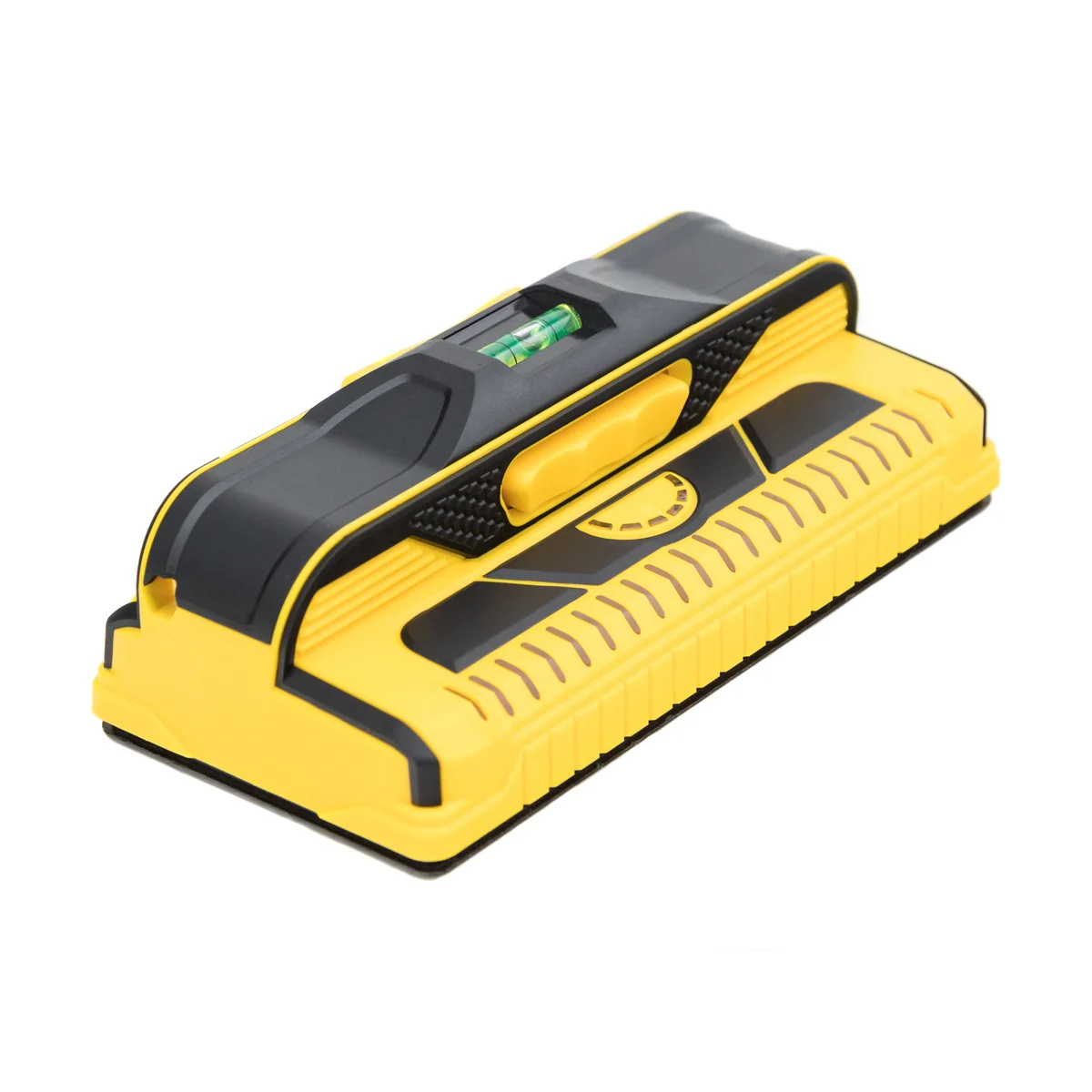
The Franklin Sensors ProSensor M210 took Best Overall at both CNN Underscored and Outdoor Life, and Your Best Digs ranked the same ProSensor line at the top of its comparison. What sets it apart is how it works. Instead of a single sensor that beeps as you sweep it across the wall and hope you caught the center, the M210 packs 13 fixed sensors into a 7-inch band. Set it on the wall and a bright LED strip lights up over the full width of the stud, showing both edges at once.
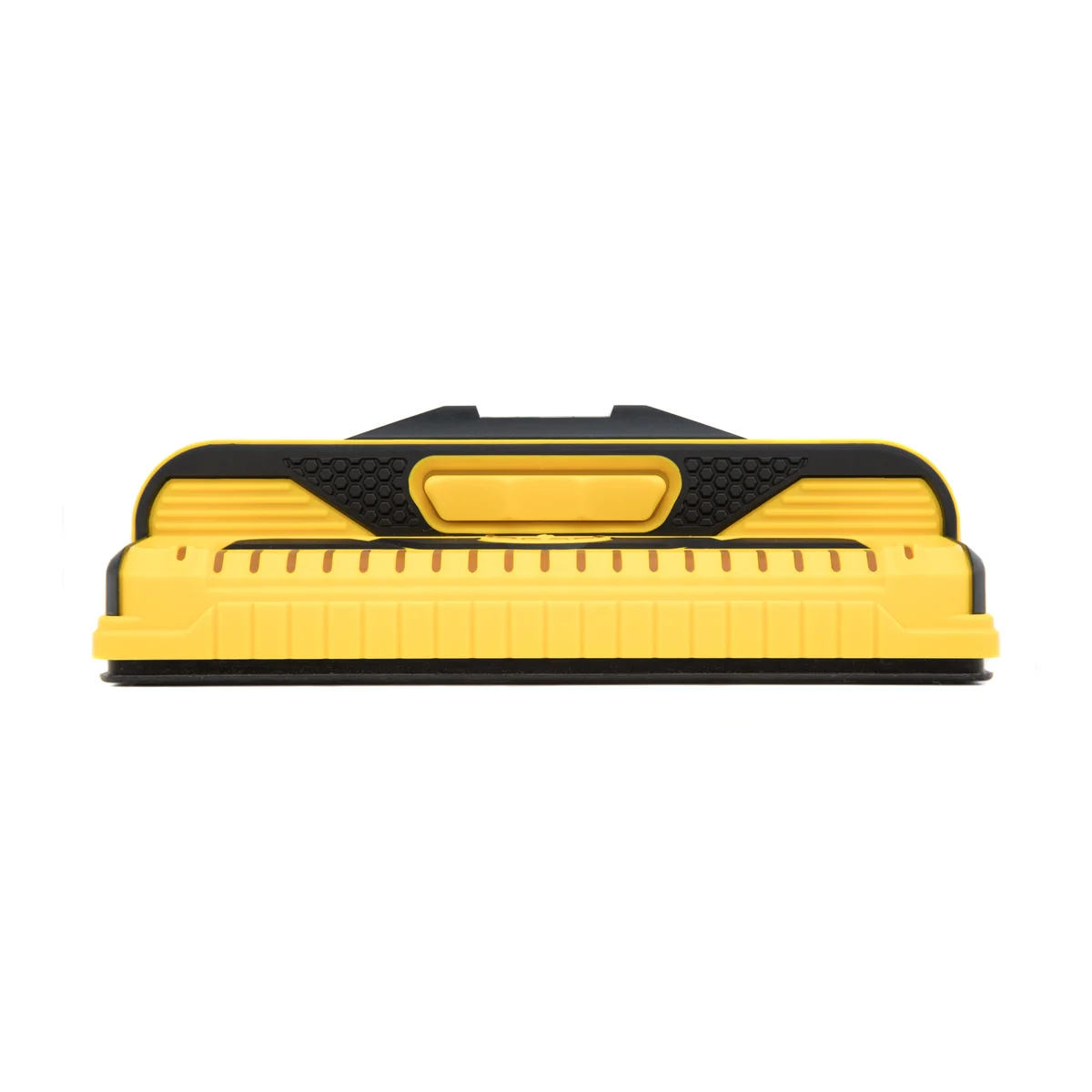
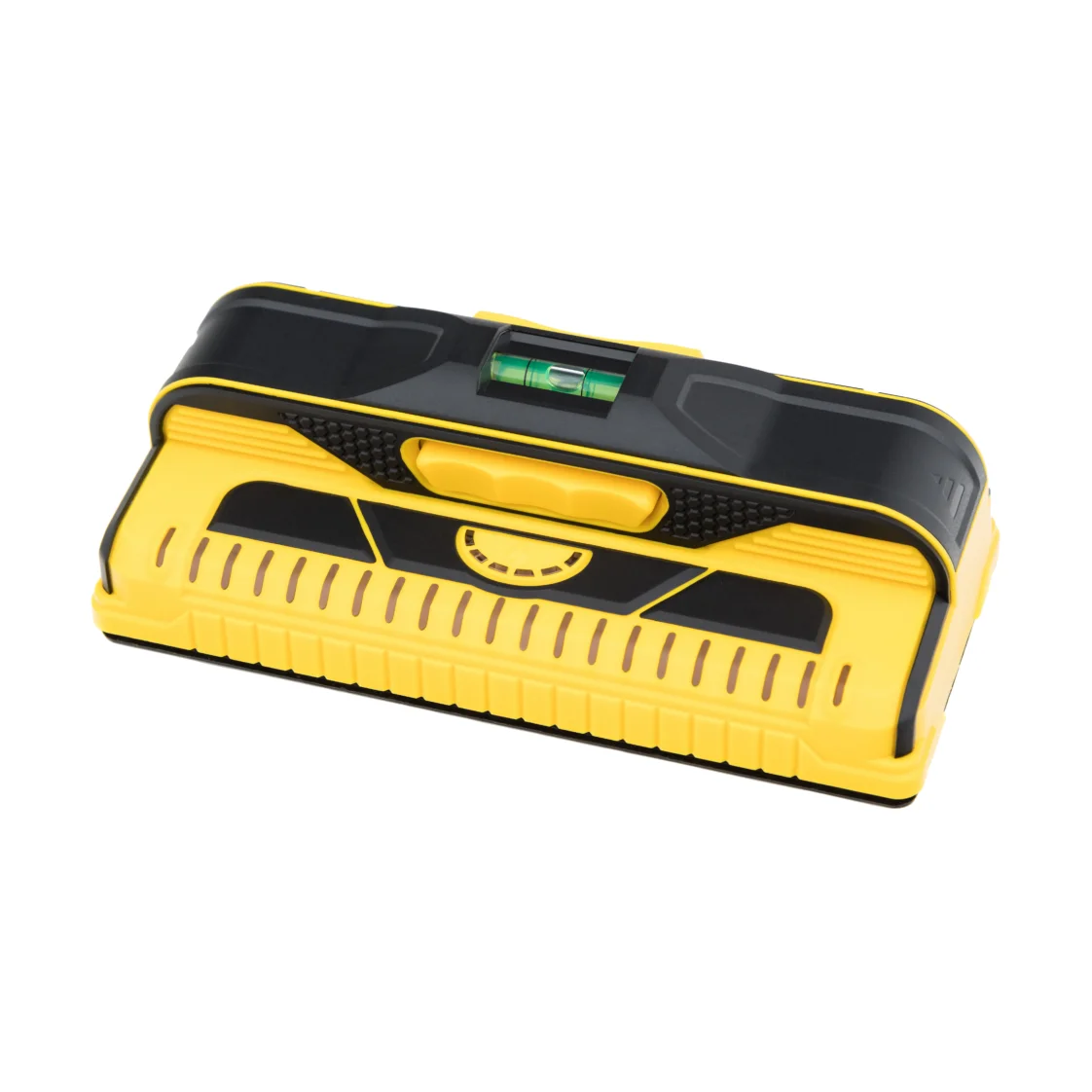
That design is why first-timers get a clean result on the first try. There is no calibration step and no roll-across guessing. Outdoor Life pointed to exactly this when it called the tool the easy answer for anyone who has fought with a cheap beeping finder. The M210 also flags live AC wiring, so it warns you before you drive a screw into a cable.
At around sixty dollars it sits in the mainstream, not the bargain bin and not the pro-supply tier. For the buyer who wants one stud finder that simply works on standard drywall, the reviewer consensus points here.
What It Won't Do
The 1.7-inch detection depth is the ceiling. On standard half-inch drywall that is plenty, but on thick plaster or walls with two layers of drywall the Bosch GMS 120 reaches deeper and will find studs the Franklin misses. The housing is also consumer-grade plastic, sturdy enough for a home toolbox but not sealed against the dust and drops of daily site work.
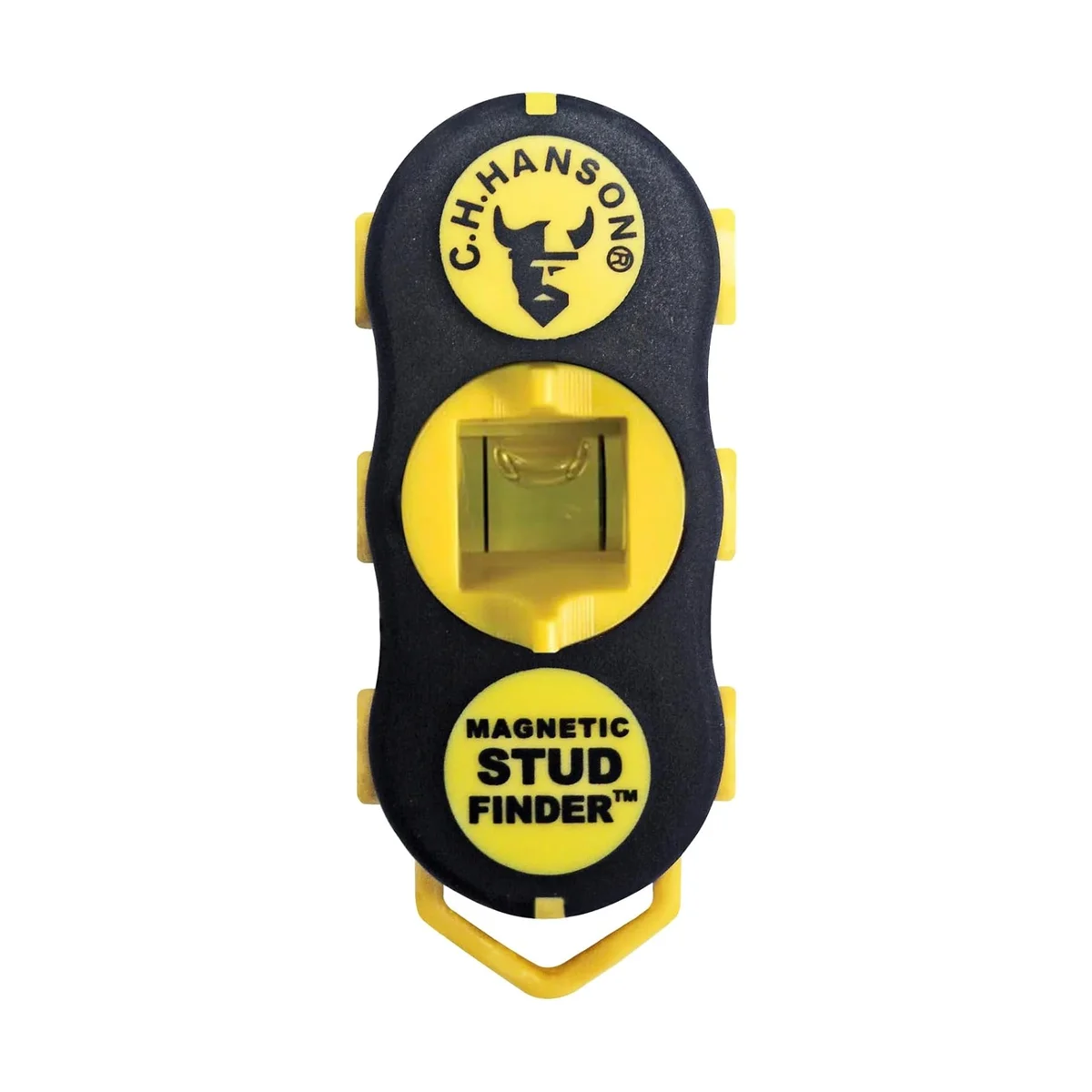
The C.H. Hanson Magnetic Stud Finder costs around fourteen dollars and shows up as the best magnetic pick in five separate expert roundups, more than any other product in this category. It has no battery, no screen, and no circuit board. Two rare earth magnets snap onto the screws and nails that hold the drywall to the stud, then hang there hands-free while you mark the spot. A built-in rotating level helps you carry that mark plumb.
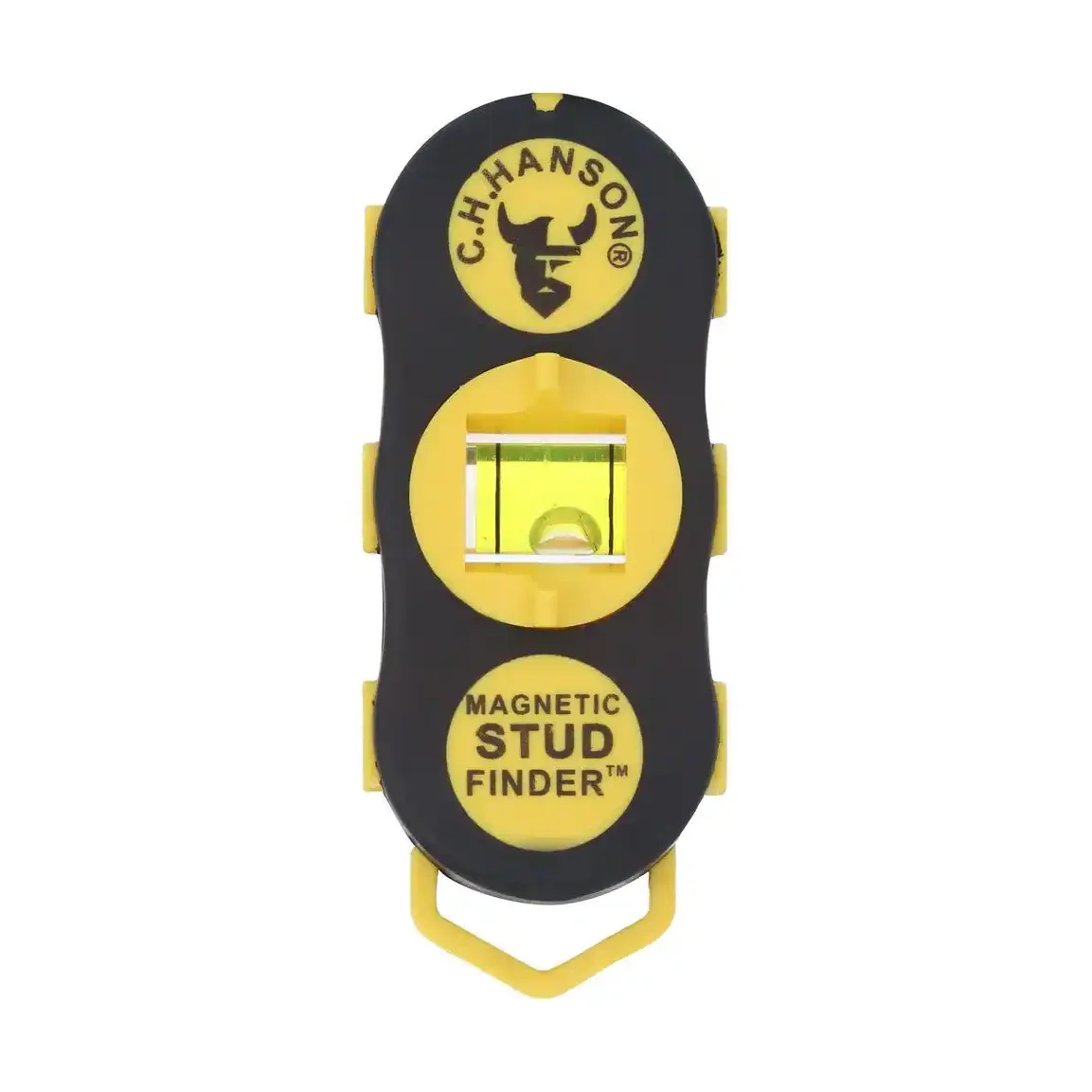
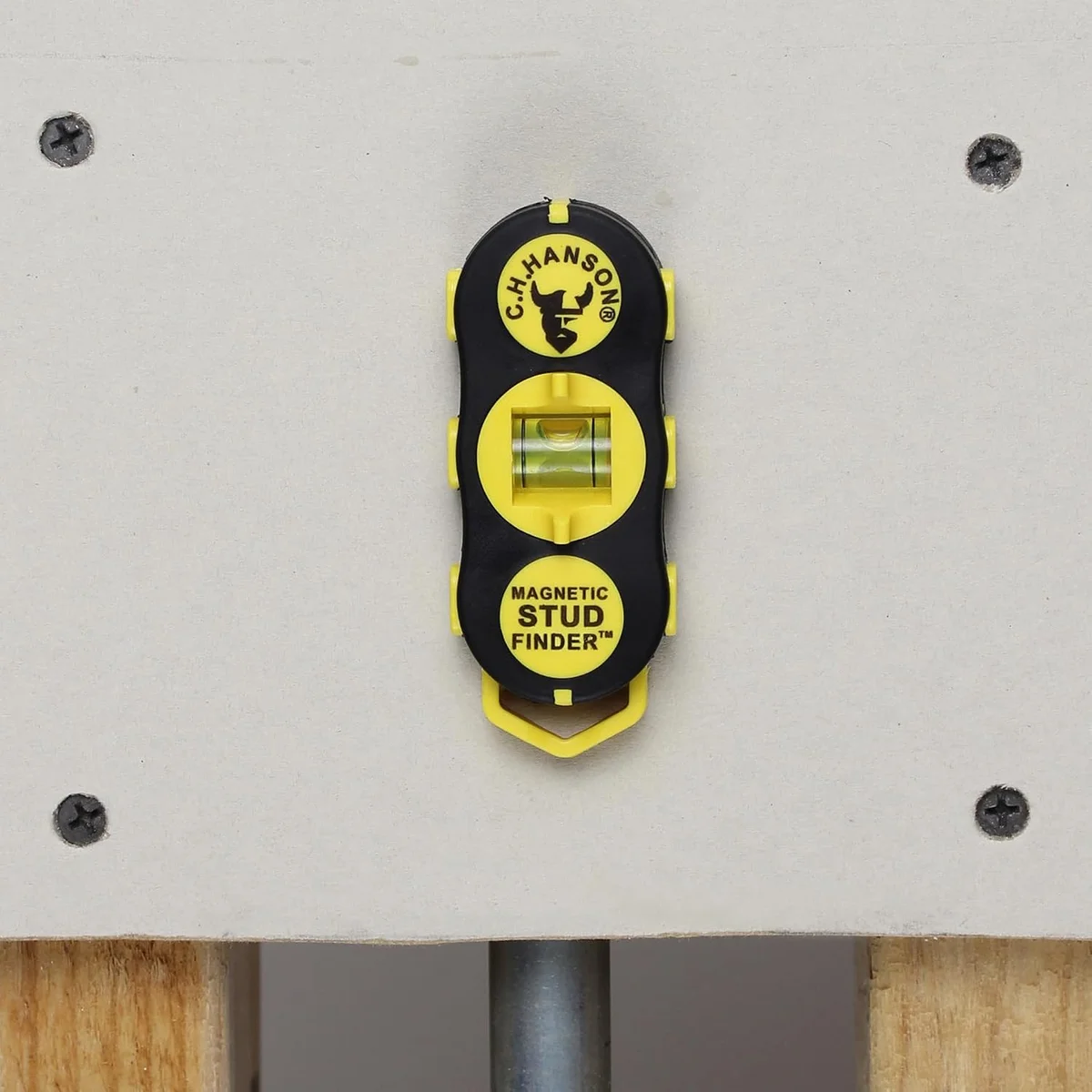
Family Handyman rated it Most Durable for the obvious reason that there is almost nothing to break. It works the day you buy it and every day for years after, with zero upkeep and no dead battery at the worst moment. For a homeowner who hangs a picture or a shelf a few times a year, paying three or four times as much for an electronic unit is hard to justify.
It is not trying to be a precision instrument. It is the tool that lives in the kitchen drawer and always works.
What It Won't Do
Because it locks onto metal fasteners rather than the wood, you read the stud position indirectly, and on a wall with few surface screws you can come up empty in spots. There is no wood sensing and no live-wire warning. If you need to map exact stud edges or you are drilling near electrical runs, step up to the Franklin M210 or the Ryobi ESF5002.
Who Should Buy Which
Franklin Sensors ProSensor M210
A 13-sensor whole-width scan that finds the whole stud in one pass
- DIYers who want one finder that reliably nails the stud center on drywall
- Remodelers hanging cabinets, shelves, or TVs who need both edges marked fast
- First-time buyers who are done fighting with cheap beeping sensors
- Anyone who wants a live-wire warning built into the same tool
- People who value a no-calibration, set-and-read workflow
C.H. Hanson Magnetic Stud Finder
A bombproof magnetic finder that never needs a battery
- Homeowners who hang pictures and shelves a few times a year
- Renters who want a cheap tool that lives in a drawer
- Anyone who hates dealing with dead batteries at the wrong moment
- Buyers on a strict budget who still want a trusted, durable pick
- People who want a built-in level in the same hand tool