The Best Smart Rings
Verified by
 Ryan V. Editor-in-Chief
When you purchase through links on our site, we may earn an affiliate commission.
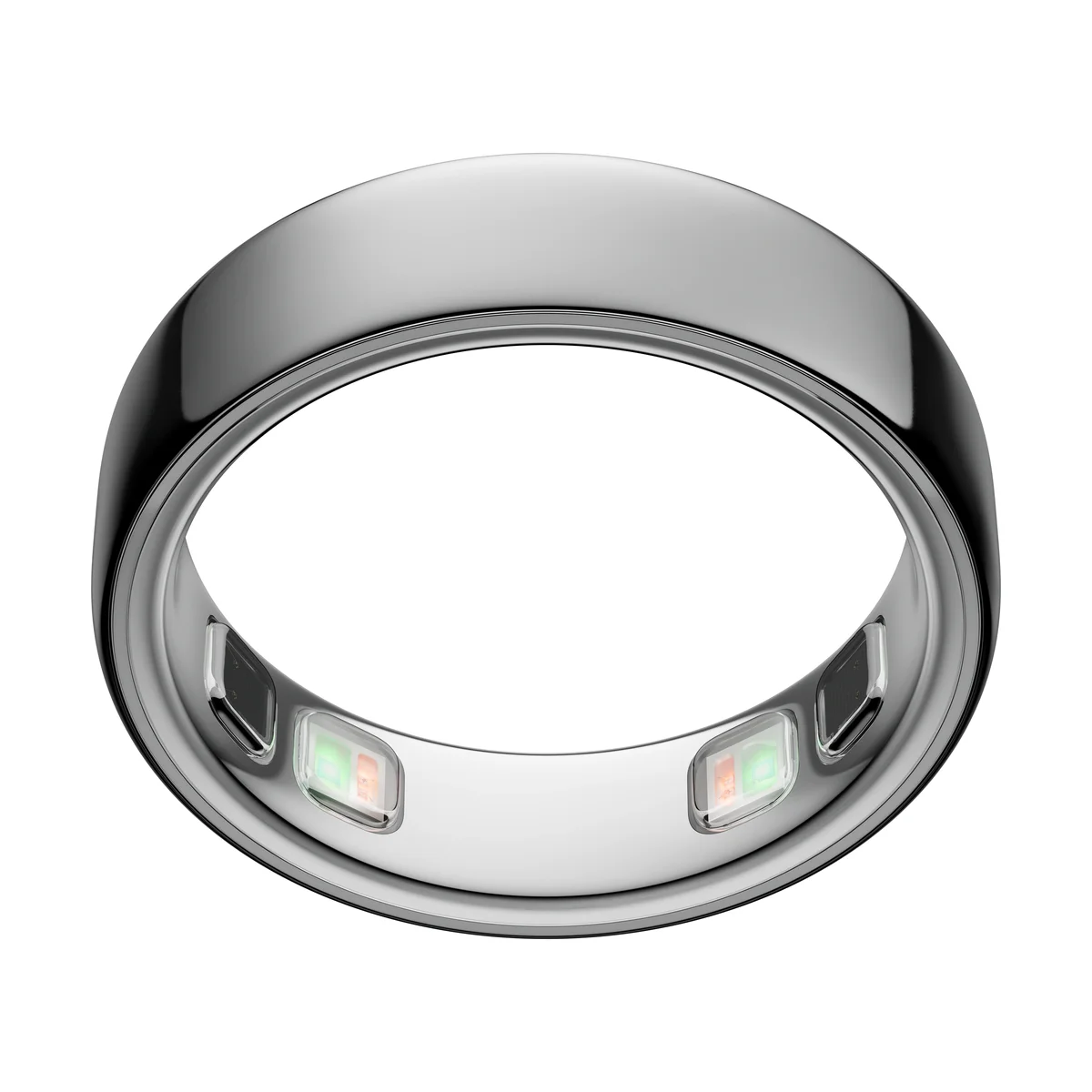
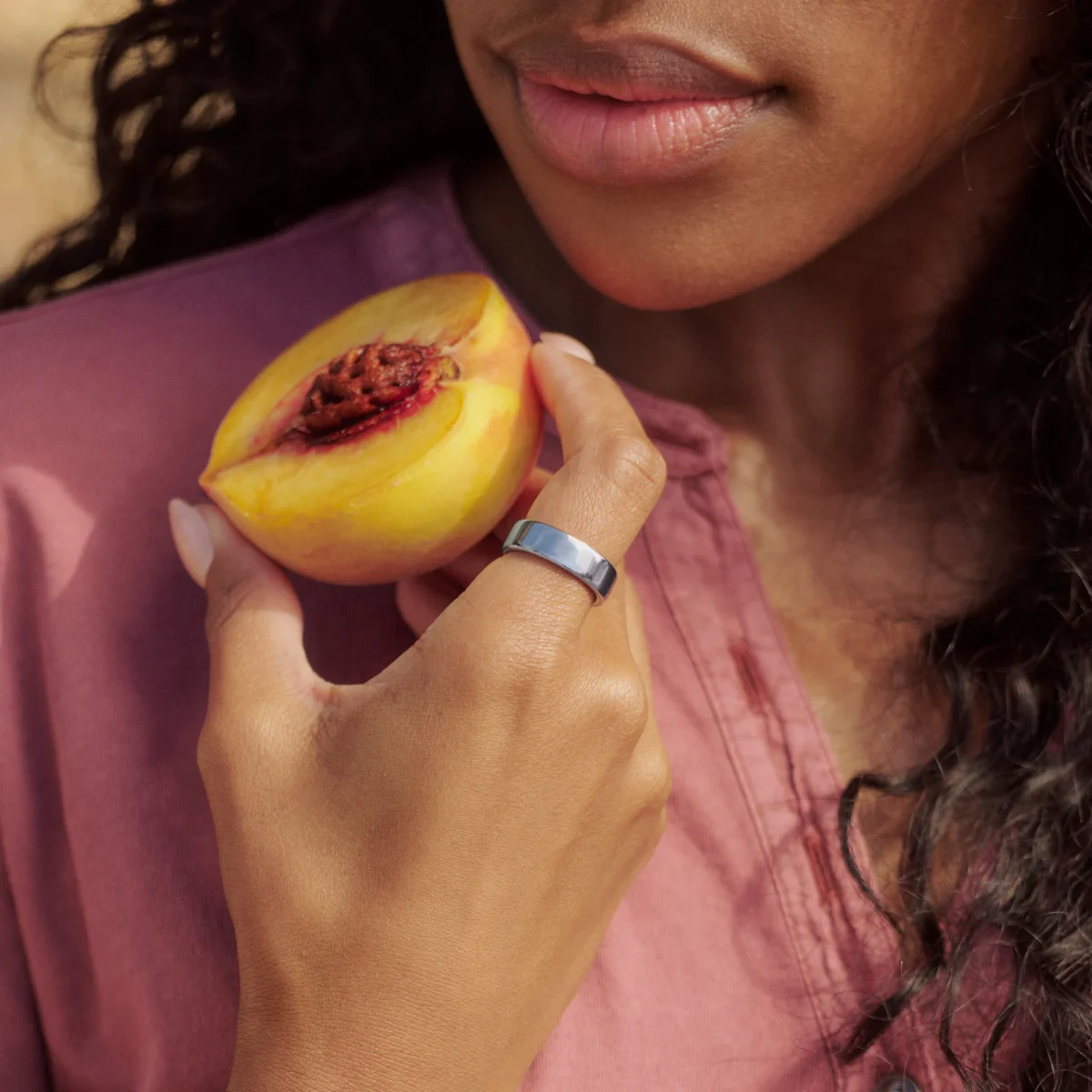
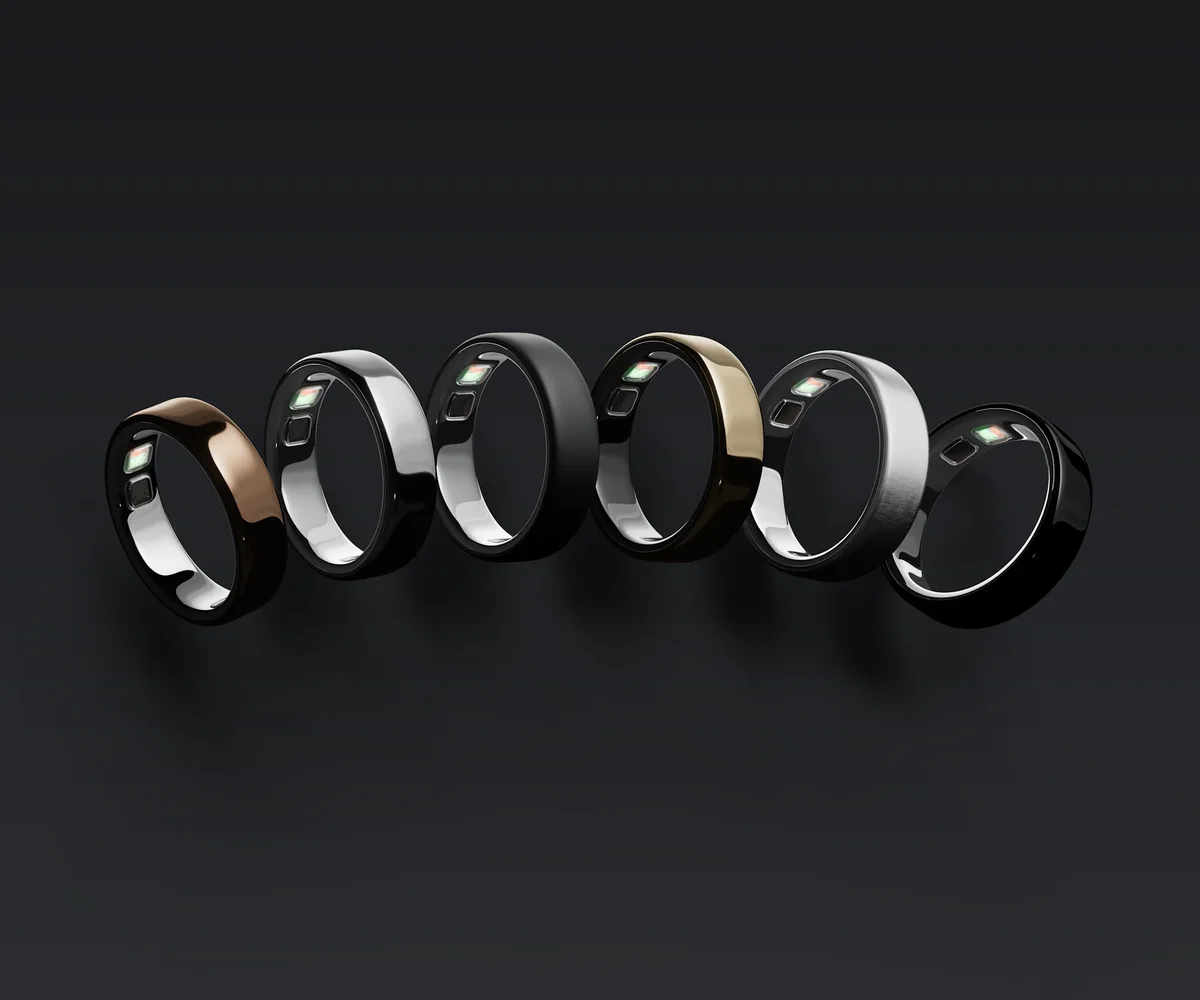
Seven of the eight current guides we analyzed put the Oura Ring 5 at the top, from Tom's Guide and TechRadar to ZDNET, CNET and Tech Advisor. That agreement rests on measured results. Wareable wore it for months next to an Eight Sleep system and a Garmin HRM 600 chest strap, and found its sleep boundaries and resting heart rate matched that reference gear almost perfectly. TechRadar's heart rate readings closely tracked a Polar H10. Oura also fixed the old complaint about bulk. The Ring 5 starts at 2 grams and is about 40% smaller than the Ring 4, which makes it the lightest ring in this group and the easiest to forget about at night. Tech Advisor rates its app the best companion app of any ring, and CNET's Giselle Castro-Sloboda found the data easy to read. Battery ran about 7 days in Wareable's and TechRadar's testing.
What It Won't Do
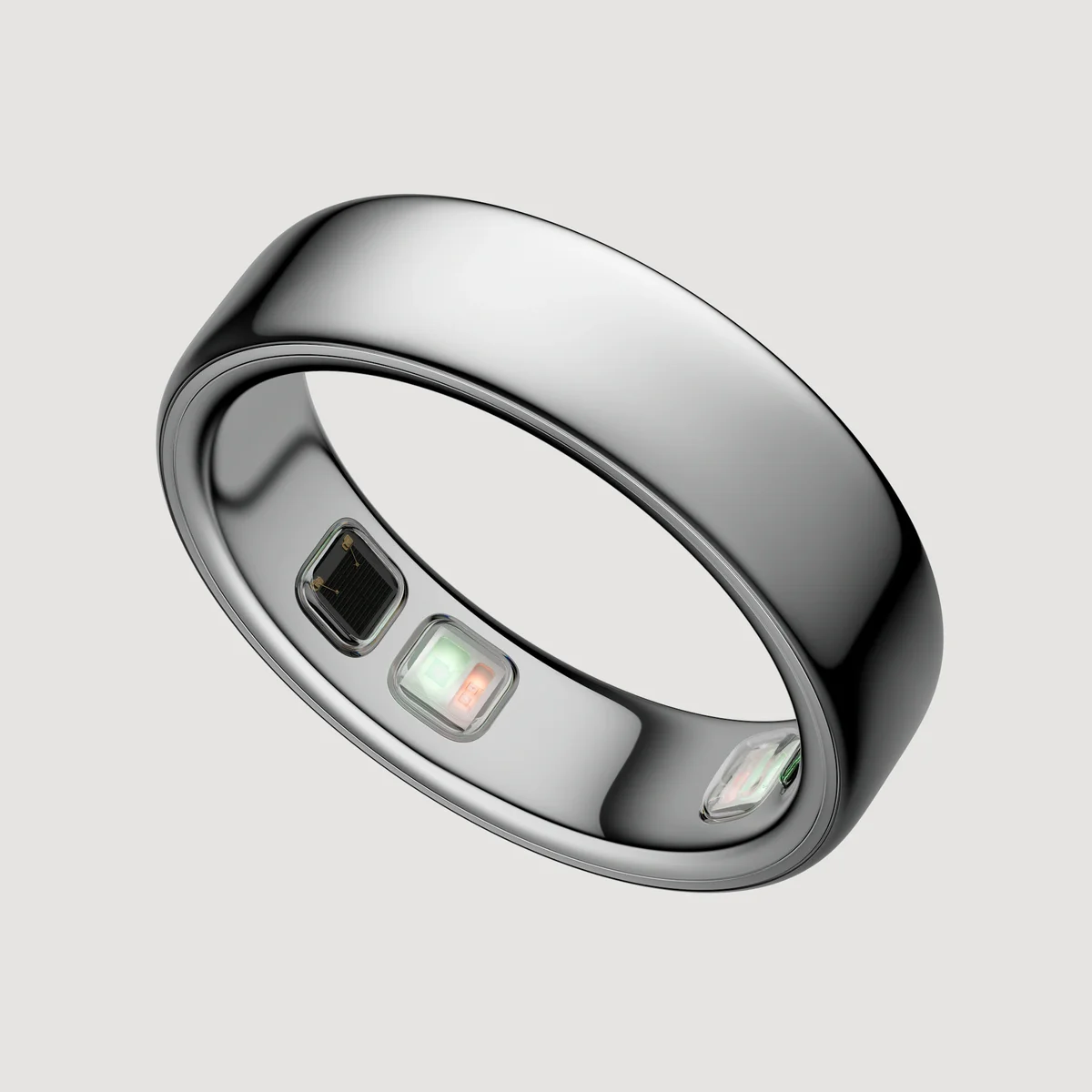
You pay for it twice. The ring lists at $399 in silver or black and $499 in gold or rose finishes, $50 more than the Ring 4 cost, and most features need Oura's $5.99 monthly membership. Count the first year and you are close to $470 before tax. ZDNET's Nina Raemont also says it is not the most accurate ring for steps and calories, and it has no vibration alerts. Anyone set against a monthly fee can still track sleep with the Samsung Galaxy Ring or either RingConn ring, which charge nothing after purchase.
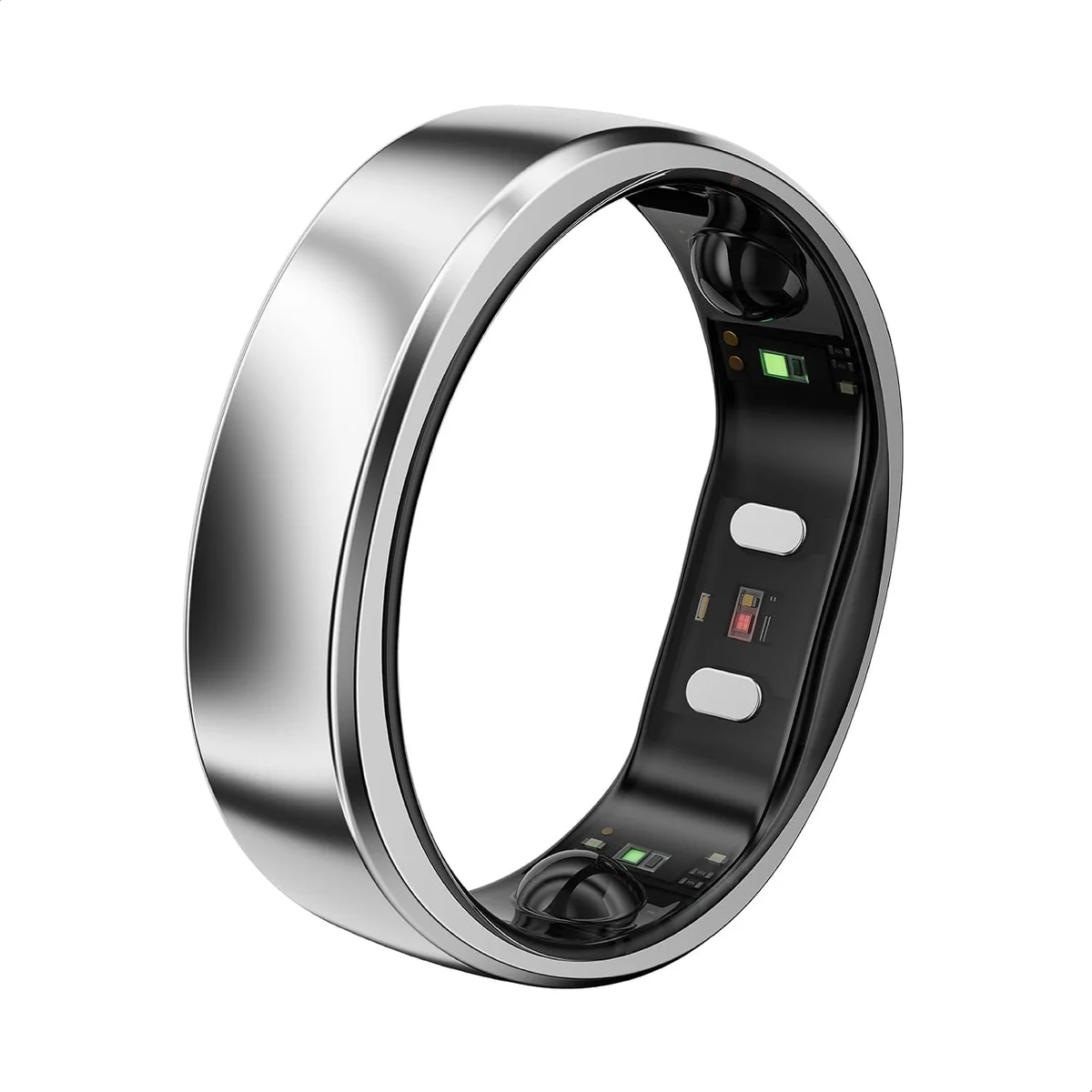
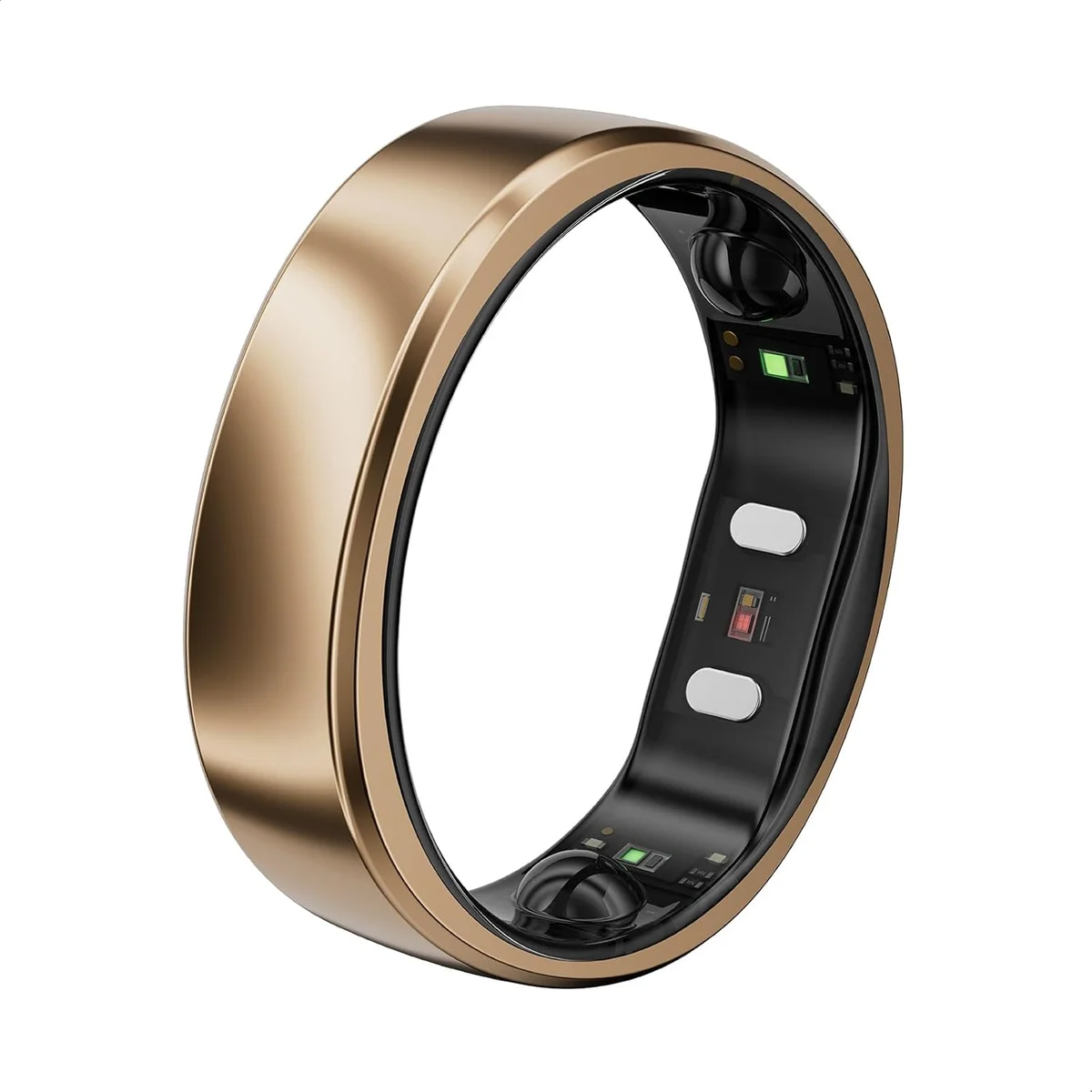
The RingConn Gen 2 Air costs $199 and never asks for a subscription, so you pay less than half what the Oura Ring 5 costs in its first year. Four outlets single it out for first-time or budget buyers: Tom's Guide made it the best entry-level ring, Wareable the best ring for beginners, Tech Advisor the best budget pick and ZDNET the best affordable ring. Most cheap rings fall down on battery, and this one doesn't. RingConn rates it for 10 days, Tom's Guide measured about 8, and ZDNET gave it the longest battery life on its list. The Amazfit Helio Ring, the other popular ring near $200, lasted 3 to 4 days in Tom's Guide's testing. It is also one of the safer buys right now. RingConn licenses Oura's patents, so Tom's Guide expects it to stay on sale in the US while rivals fight in court.

What It Won't Do
The Gen 2 Air gives you data and not much interpretation. Wareable found its app insights uninteresting, ZDNET points out there is no readiness score, and Tech Advisor saw syncing lag. Dan Bracaglia at Tom's Guide found the raised sensors on the inside a little uncomfortable. RingConn also kept vibration alerts and sleep breathing insights for the $349 Gen 3.
Who Should Buy Which
Oura Ring 5
Oura's smallest ring yet starts at 2 grams, about 40% smaller than the Ring 4, with sleep data Wareable found almost identical to its reference gear.
- Sleepers who want sleep and recovery data that held up against reference gear in Wareable's testing
- Anyone with slim fingers or who found older rings too bulky
- iPhone and Android owners alike, since Oura works with both
- Buyers happy to pay $5.99 a month for Oura's readiness scores and trends
RingConn Gen 2 Air
A $199 titanium ring with no subscription and a rated 10 days per charge, the budget pick at Tom's Guide, Tech Advisor and ZDNET.
- First-time ring buyers who want to try sleep tracking for $199
- Anyone who refuses to pay a monthly fee for their own health data
- People who would rather charge once a week than every few days
- iPhone owners who want a no-fee ring, since the Galaxy Ring is Android only